Non-viral gene delivery · Cellular reprogramming · Regenerative medicine

Engineering biology for therapeutic impact.

We engineer non-viral gene and cell therapies to restore tissue function across neurological, vascular, and metabolic disease.

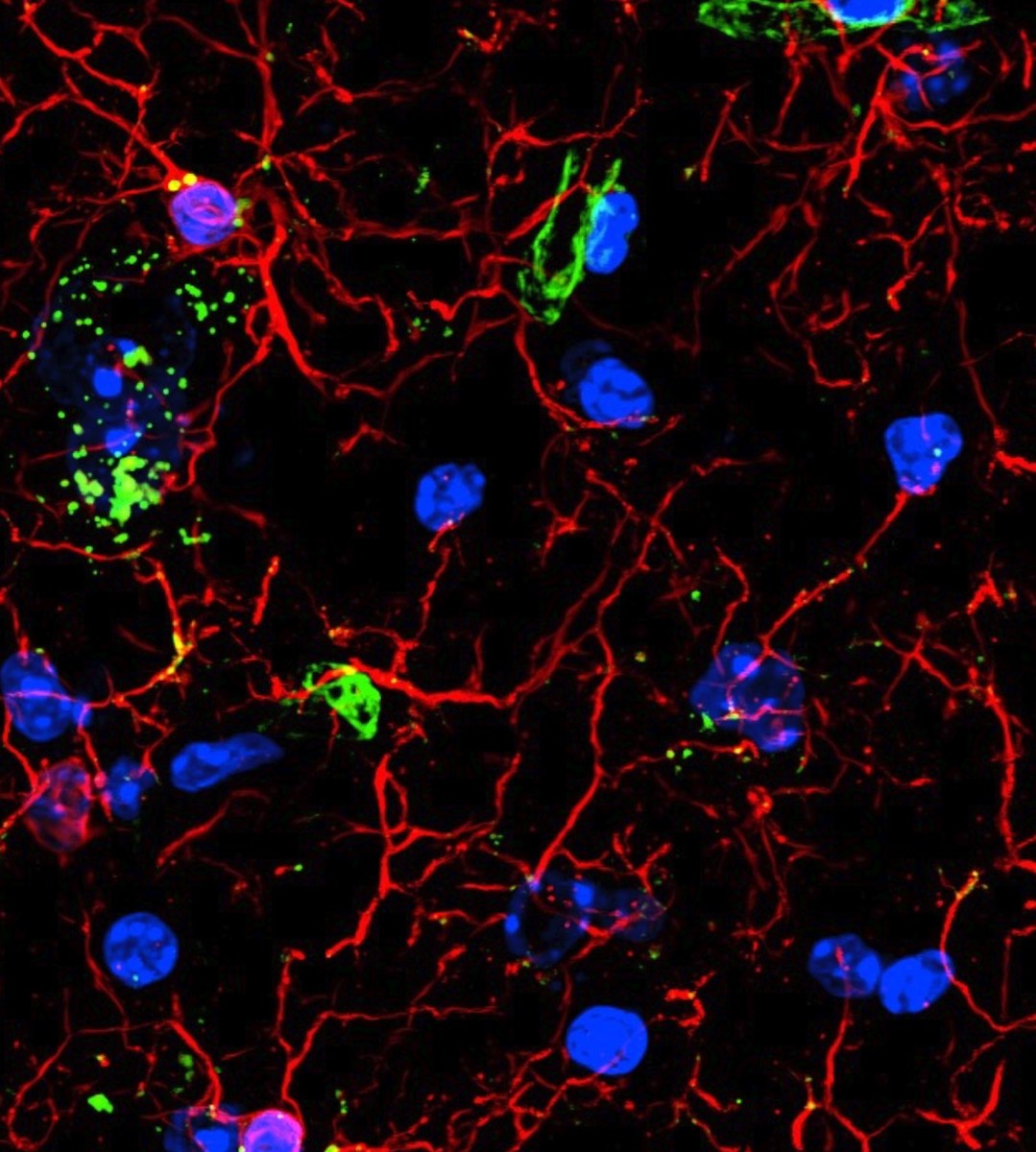
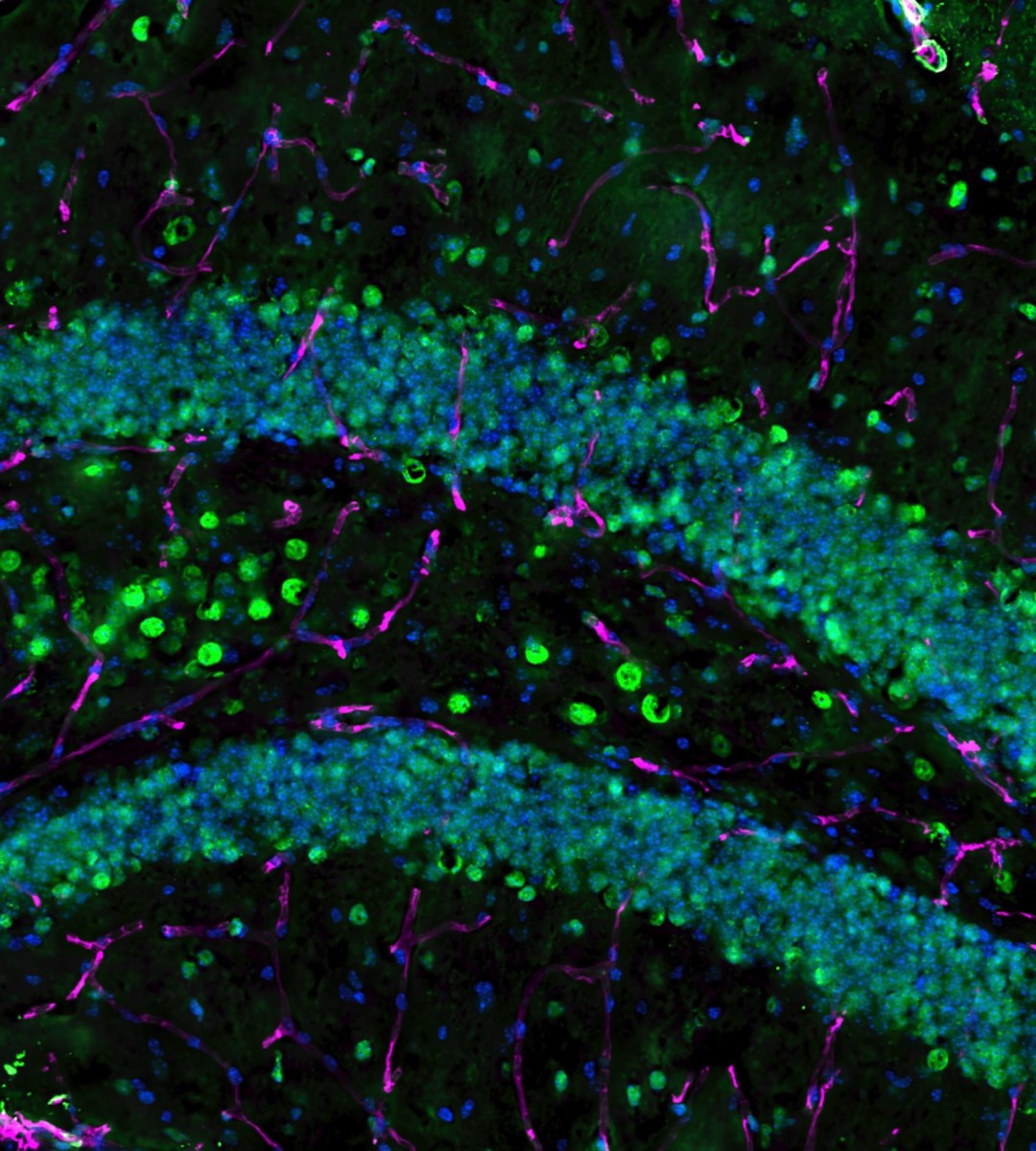
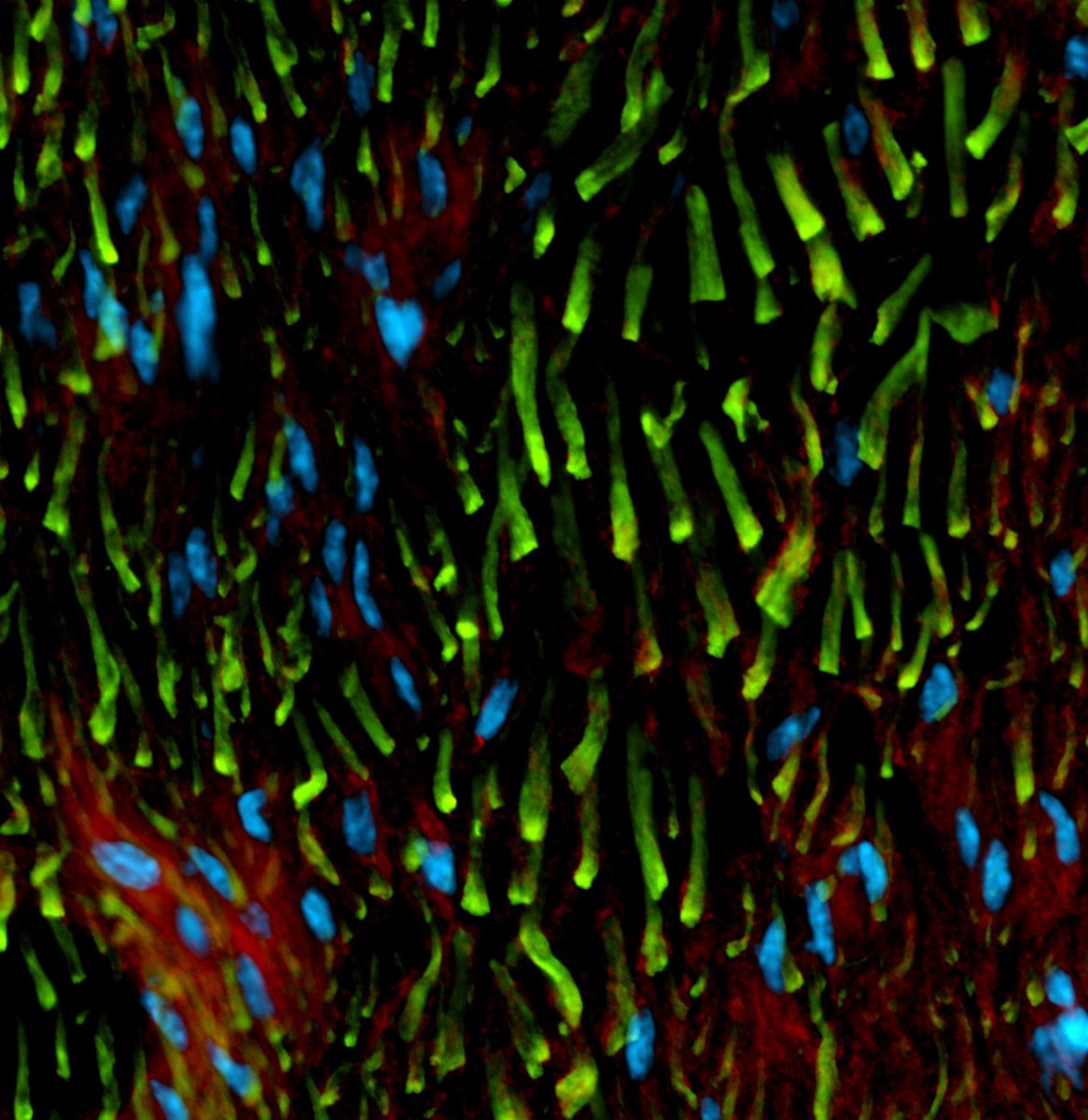
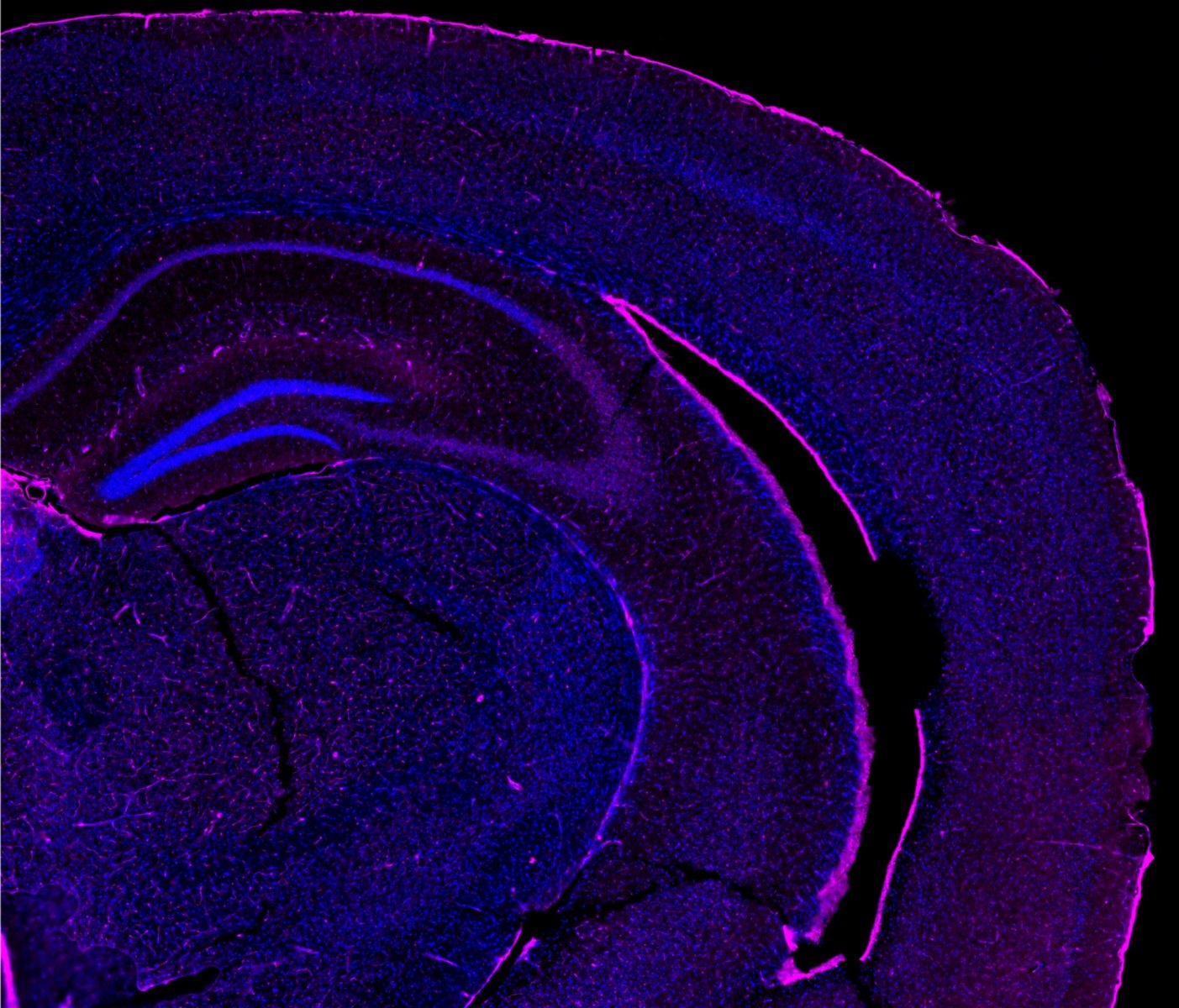
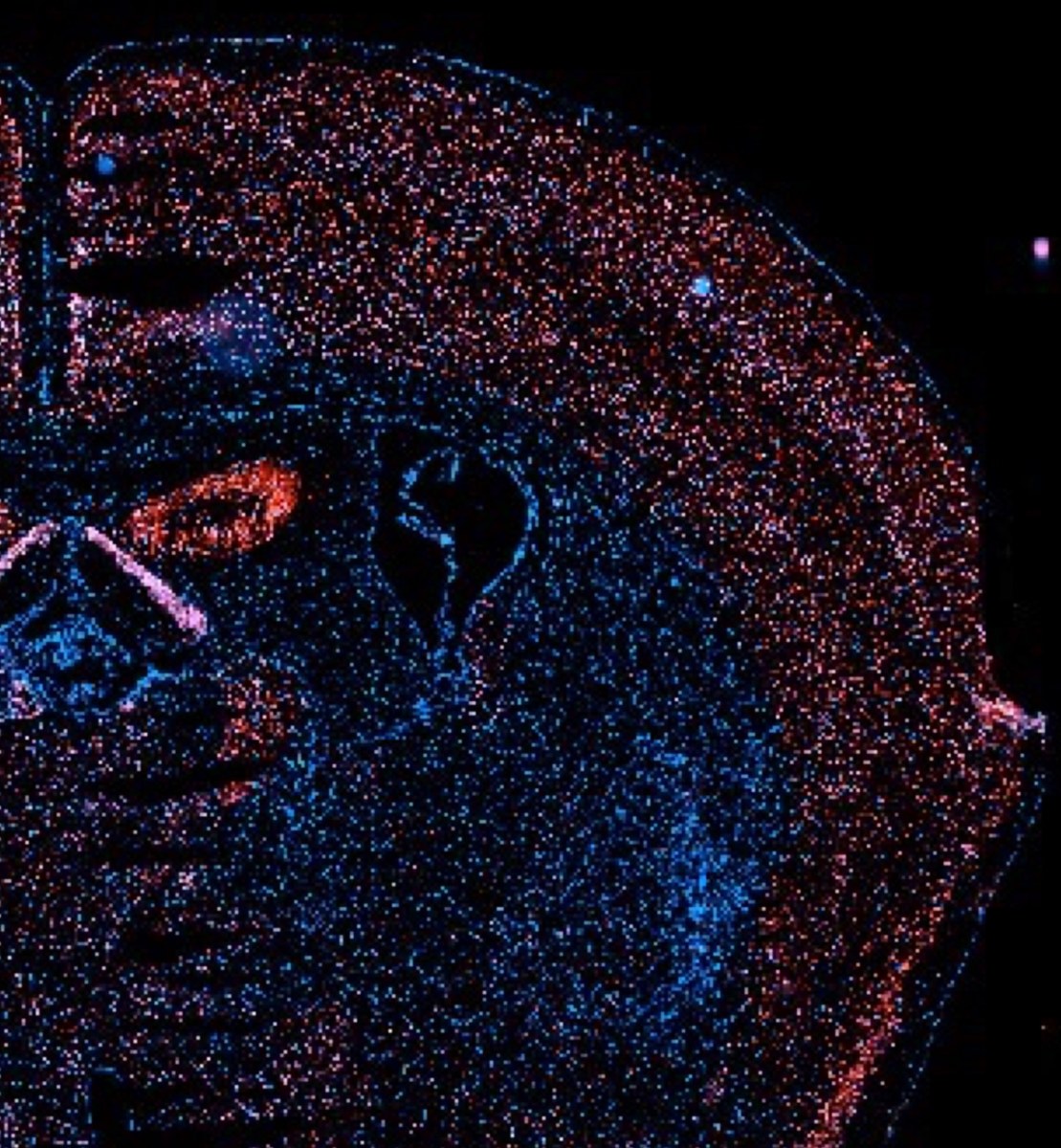
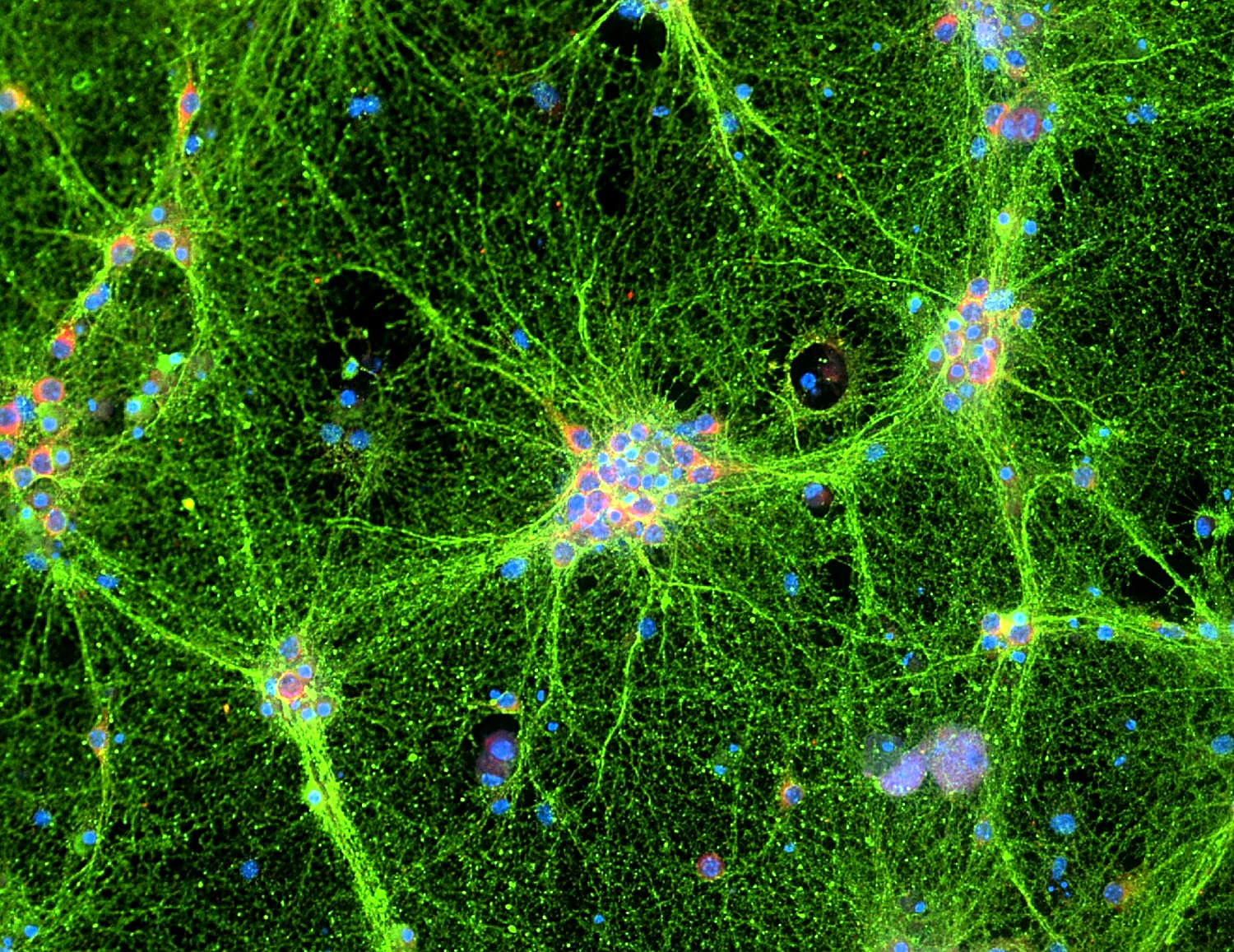
Microscopy from our laboratory

Microscopy by Dr. Lawrence · Laboratory-generated research imagery.

Research focus

Our Research

We combine precision delivery, cell engineering, and mechanistic studies to develop therapies that restore tissue function.

01 /

Gene Delivery & Nanotechnology

Non-viral delivery of DNA, RNA, and therapeutic cargo using nanoengineered interfaces, nanoparticles, and extracellular vesicles.

02 /

Cellular Reprogramming

Transient genetic programming to guide cell identity and function, from vascular cell engineering to tissue-level repair.

03 /

Regenerative Therapeutics

Therapeutic strategies for neurological injury, neurodegeneration, vascular dysfunction, and metabolic disease.

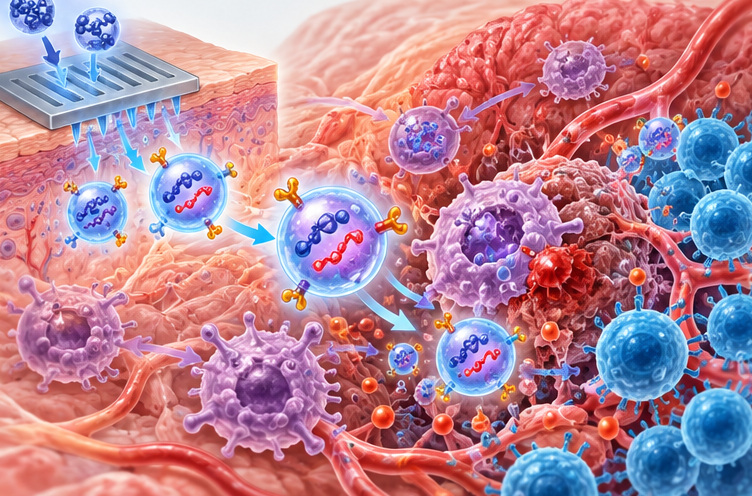
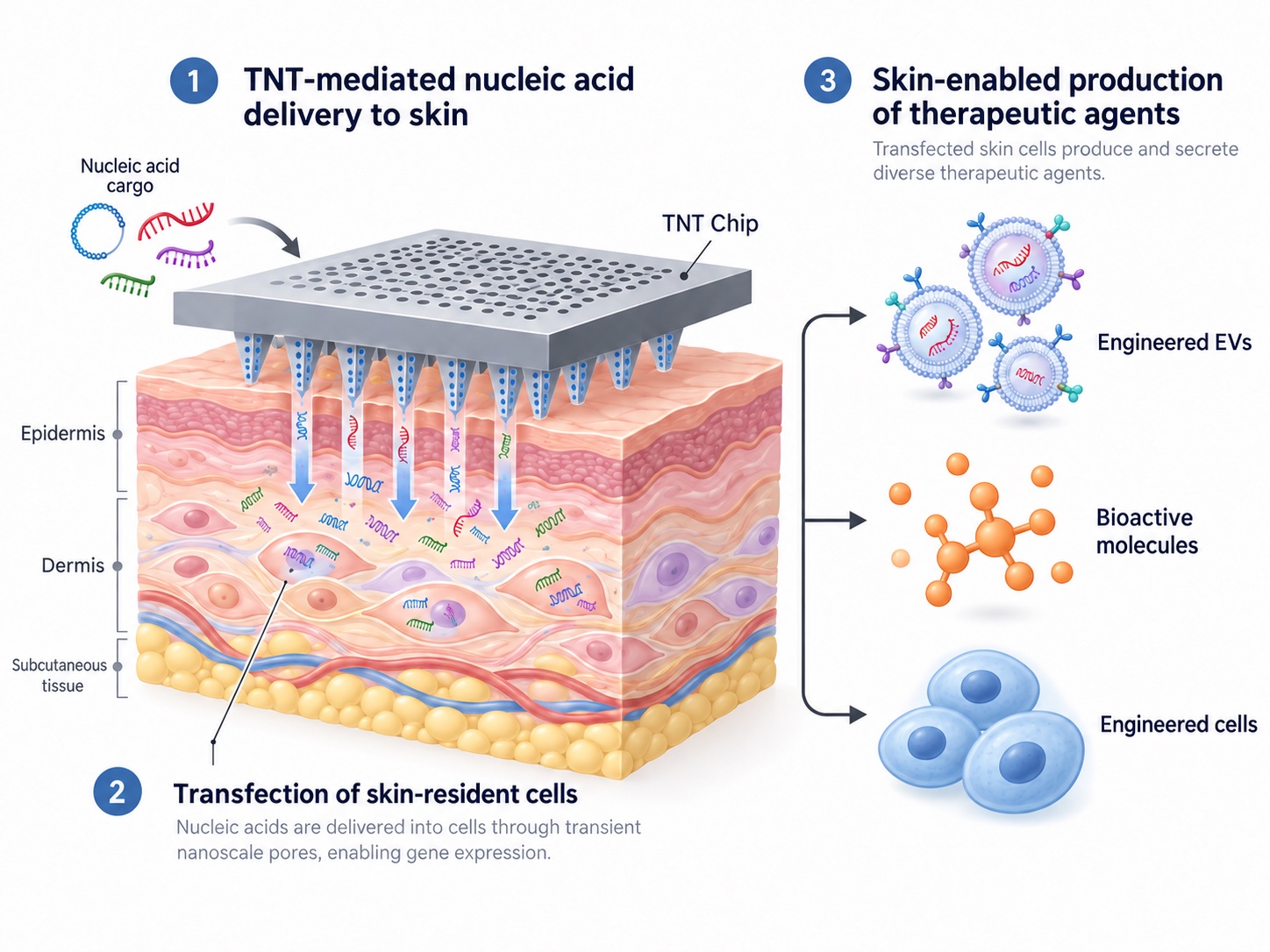
Tissue Nano-Transfection schematic showing silicon nanochannel arrays delivering nucleic acids into skin to generate engineered extracellular vesicles, bioactive molecules, and cells
TNT-mediated nucleic acid delivery to skin and its potential therapeutic outputs. Conceptual illustration.
Platform technology

Tissue Nano-Transfection as a therapeutic interface.

Tissue Nano-Transfection (TNT) is a non-viral delivery platform that uses a nanochannel interface and pulsed electric fields to enable localized genetic programming in skin and other accessible tissues.

We apply TNT to develop therapeutic cells, extracellular vesicles, and tissue-level regenerative responses.

Localized non-viral deliveryTransient genetic programmingTherapeutic cell and tissue engineering
Selected therapeutic applications

TNT in Action

From targeted lipid signaling to nerve repair and engineered extracellular vesicles, these preclinical studies illustrate the therapeutic versatility of tissue nano-transfection.

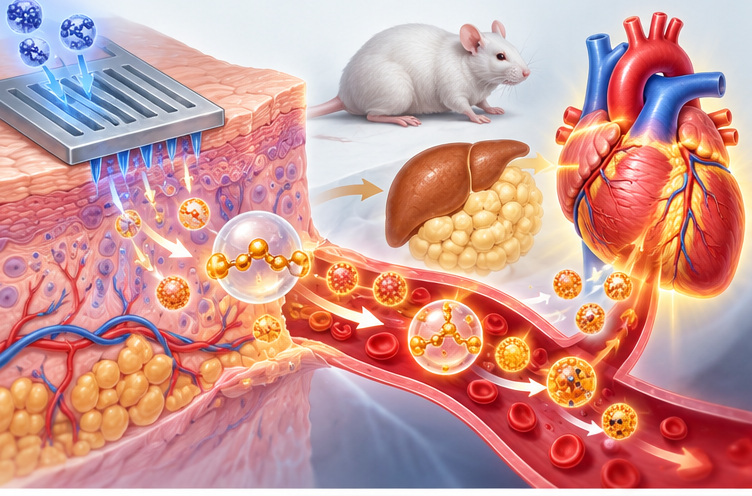
Conceptual illustration of TNT-driven skin lipid signaling and cardiac effects in a preclinical model

Metabolic Health Without Breaking a Sweat

By programming skin to elevate the exercise-responsive lipid mediator 12,13-diHOME, TNT offers a novel way to influence systemic physiology. In mice exposed to a high-fat diet, this strategy helped protect the heart against adverse remodeling and functional decline.
Read the research ↗
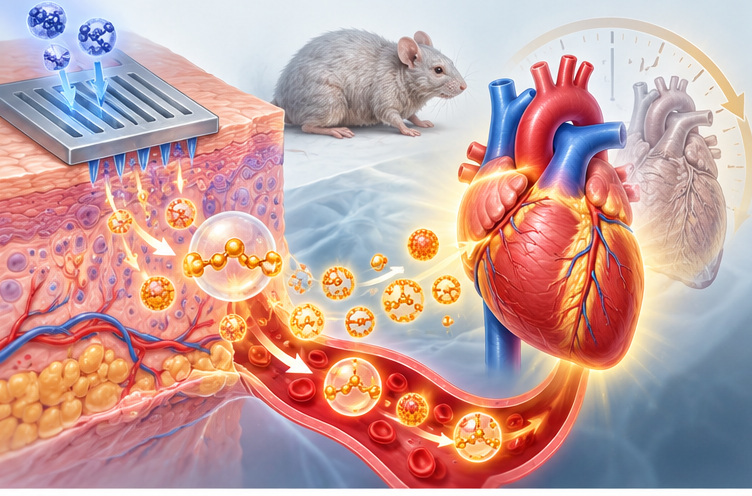
Conceptual illustration of TNT-mediated skin lipid production and protection of an aging heart

Young at Heart

Can skin-directed gene delivery help preserve cardiovascular health with age? In aged mice, TNT-mediated elevation of 12,13-diHOME mitigated age-associated cardiac remodeling and helped maintain heart function.

Read the research ↗
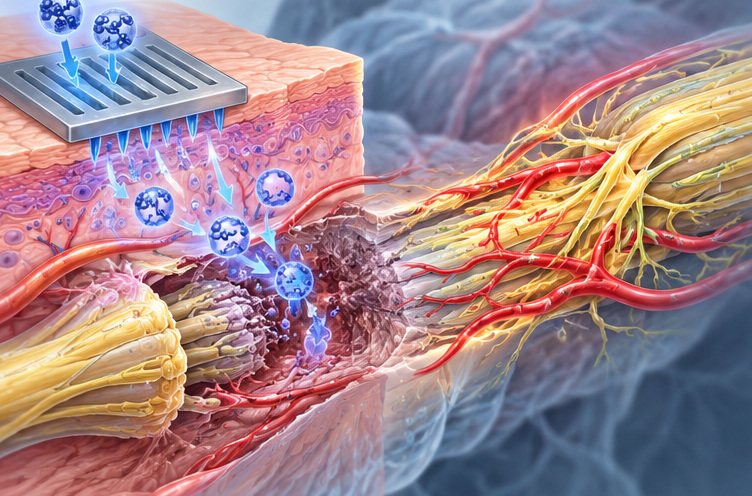
Conceptual illustration of direct gene delivery to injured peripheral nerve tissue and neurovascular regeneration

Reconnecting Damaged Nerves

Local nonviral gene delivery to injured nerve tissue can reshape the repair environment. TNT-enabled vasculogenic programming promotes vascular support and functional recovery after peripheral nerve injury in preclinical models.

Science Advances ↗Advanced Biosystems ↗
Conceptual illustration of TNT-programmed skin cells generating engineered extracellular vesicles that modulate a nearby breast tumor

Turning Skin into a Therapeutic Bioreactor

TNT programs skin cells to produce engineered extracellular vesicles carrying therapeutic cargo. In a preclinical breast cancer model, EVs generated from skin near the tumor helped reshape its immune microenvironment and reduce tumor progression.

Read the research ↗

Illustrations are conceptual representations of published preclinical studies, not experimental images or clinical outcomes.

Engineered cell therapies

Beyond TNT: Engineering Cells as Therapeutics

Our laboratory also engineers living cells as therapeutic agents and targeted delivery systems, extending nonviral cellular programming into brain repair and cancer therapy.

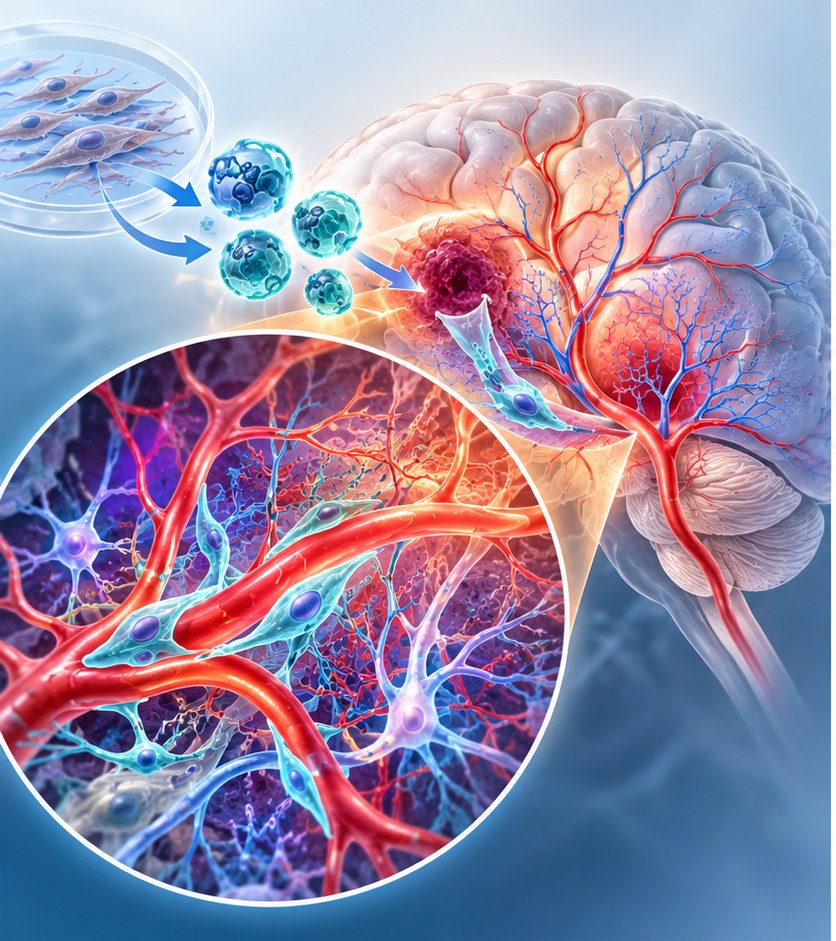
Conceptual illustration of therapeutic vasculogenic cells and vascular regeneration in injured brain tissue
Vasculogenic cell therapy · Brain repair

Reprogramming Cells to Repair the Brain

We program fibroblasts toward vasculogenic phenotypes to promote neurovascular regeneration. In a preclinical ischemic stroke model, transplantation of reprogrammed cells improved cerebral perfusion, reduced tissue damage, and supported functional recovery.

Read the research · Science Advances (2021) →
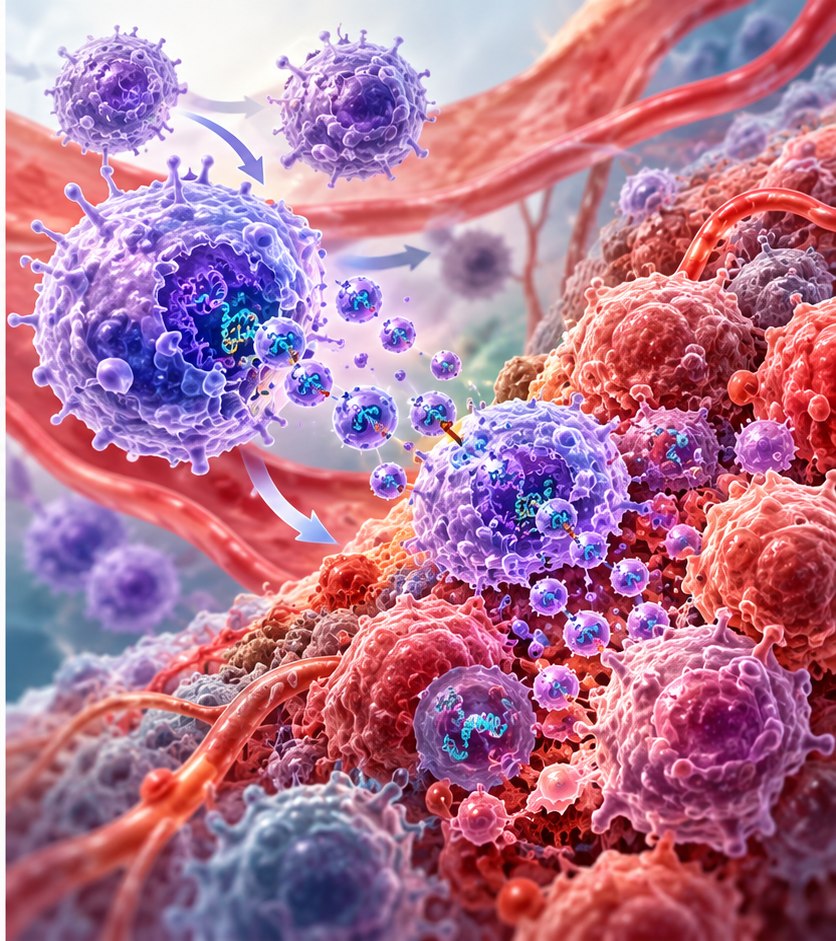
Conceptual illustration of engineered myeloid cells homing to a tumor and releasing therapeutic extracellular vesicles
Tumor-homing cell therapy · Cancer

Trojan Horses Against Cancer

We exploit the natural tumor tropism of myeloid-derived suppressor cells, engineering them to release therapeutic extracellular vesicles inside the tumor microenvironment. In preclinical breast cancer models, these cells delivered anticancer signals associated with reduced invasion and greater tumor-cell death.

Read the research · Advanced Healthcare Materials (2022) →

Illustrations are conceptual; outcomes described are from preclinical research.

Published research

Discover our publications

Selected discoveries in non-viral delivery, cellular programming, and regenerative medicine.

Browse journal articles & book chapters ↗
Discovery into impact

Innovation with translational potential.

Our research has led to patent-protected approaches in non-viral gene delivery, cellular reprogramming, and therapeutic nanotechnology. Explore the inventions and intellectual property emerging from the laboratory.

Explore Innovation & Intellectual Property →
From bench to translationTechnology development, intellectual property, and collaboration.

Connecting scientific discoveries with opportunities for therapeutic development.

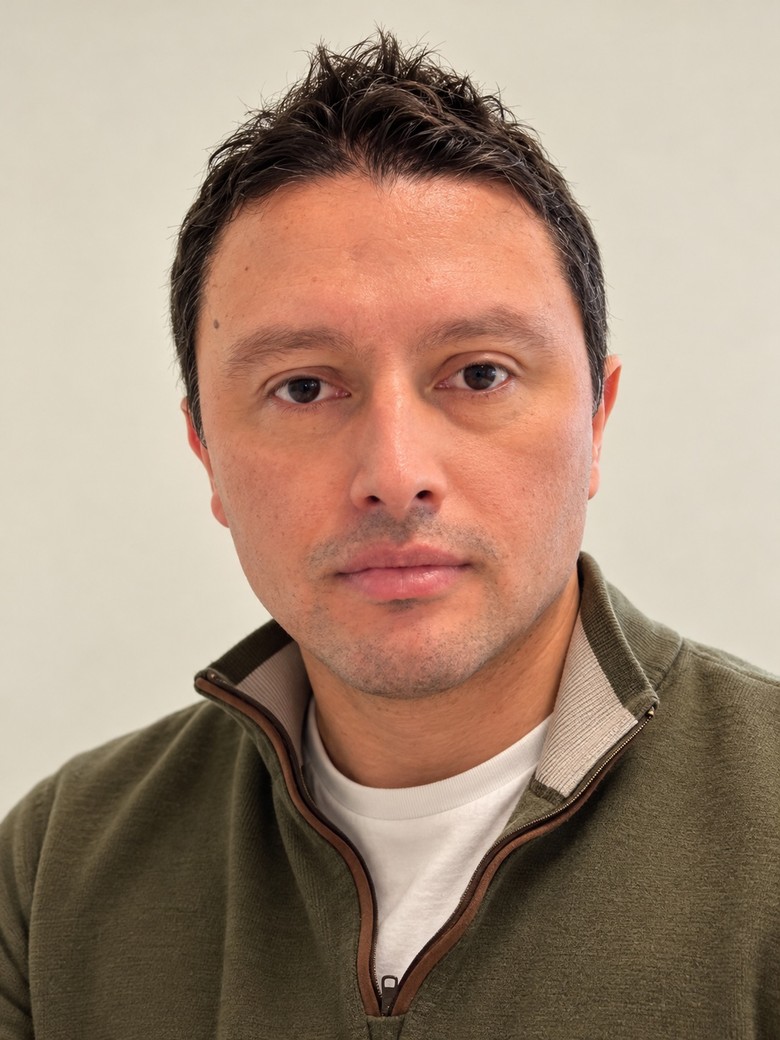
Portrait of Daniel Gallego-Perez

Daniel Gallego-Perez, PhD

Professor of Biomedical Engineering and Surgery · Edgar C. Hendrickson Chair

Principal investigator

Meet the Principal Investigator.

Daniel Gallego-Perez is Professor of Biomedical Engineering and Surgery and the Edgar C. Hendrickson Chair in Biomedical Engineering at The Ohio State University. He directs the Center for Advanced Nanotherapeutics within the Gene Therapy Institute. His laboratory pioneers non-viral gene delivery and cellular reprogramming technologies—including Tissue Nano-Transfection (TNT)—to develop regenerative therapies for neurological disorders, vascular injury, metabolic disease, and tissue repair. An NIH Director’s New Innovator Award recipient and elected Fellow of AIMBE (2024), BMES (2025), and the American Heart Association (2026), he is committed to translating scientific discoveries into therapeutic technologies and mentoring the next generation of biomedical engineers.

Read full biography →

Non-viral gene delivery, engineered extracellular vesicles, and cellular reprogramming.
Platform innovation, mechanistic discovery, and translational disease models.
Scientific rigor, creativity, and interdisciplinary training.
Collaborative research spanning engineering and biomedical science.
DGP Nanomedicine Lab logo
DGP Nanomedicine Lab Non-viral gene delivery & regenerative medicine
Explore our current team and laboratory alumni →
Support scientific discovery

Support Our Research

Philanthropic support helps advance scientific discovery, innovative technologies, and training in biomedical engineering and regenerative medicine. You can support this work through the Ohio State University giving fund.

Give to Our Research ↗

Donations are processed by The Ohio State University Foundation on its official giving website.

Connect

Interested in collaborating?

We welcome collaborators, prospective trainees, and interdisciplinary research partnerships.